
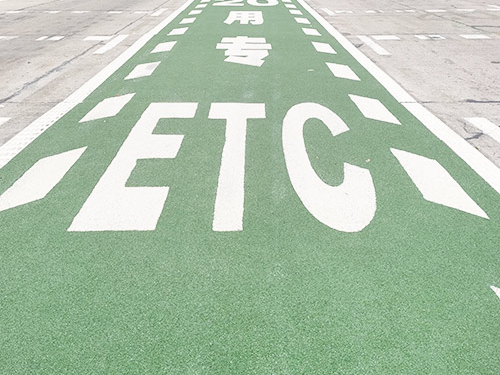
The various uses of permeable pavement in cities
Permeable pavement is a concrete ground paving material with distinctive characteristics. It features high load-bearing capacity, high permeability and high environmental protection performance. Permeable pavement is widely used in the construction process of cities and can effectively alleviate urban rain and flood problems and maintain the urban ecosystem. This article elaborates on multiple aspects of permeable pavement, including its definition, development history, raw materials, construction techniques, effect evaluation, application scenarios, and future development trends.
Permeable pavement is a type of concrete ground paving material that allows rainwater to seep into the ground. It is also known as drainage lawn or ecological concrete. It is a high-performance material with a distinctive structure, featuring high load-bearing capacity, high water permeability, and high environmental protection performance. Permeable pavement can absorb a large amount of rainwater, alleviate the problem of urban rain and flood, and at the same time reduce the burden on urban drainage pipes and lower the operating costs of urban drainage systems.
The raw materials of permeable pavement mainly include concrete, crushed stones, slag micro-powder, polymers, etc. Among them, concrete is the main binder, crushed stones are aggregates, and slag micro-powder and polymers can improve the performance of concrete. Polymers can be synthetic polymers or natural polymers, such as lignocellulose and cellulose. In terms of raw material selection, it is necessary to make the choice based on the actual usage scenarios and requirements.
The construction technology of permeable pavement mainly includes various links such as brick surface treatment, concrete mixing, pouring and curing. Among them, the treatment of the brick surface is one of the key points, and it is necessary to ensure the flatness and strength of the base layer. During the pouring process, it is necessary to adopt a layered pouring form, with the thickness of each layer ranging from 6 to 8cm. During the curing process, it is essential to ensure that the concrete surface remains moist to prevent various problems such as cracks.

 Tel:400-168-5168
 Web:www.sprpaint.com
 Headquarters Address:No. 8, Building 7, Science Road 10, Songshan Lake Industrial Zone, Dongguan City, Guangdong Province
 Douyin QR code
 Corporate culture
 Project Case