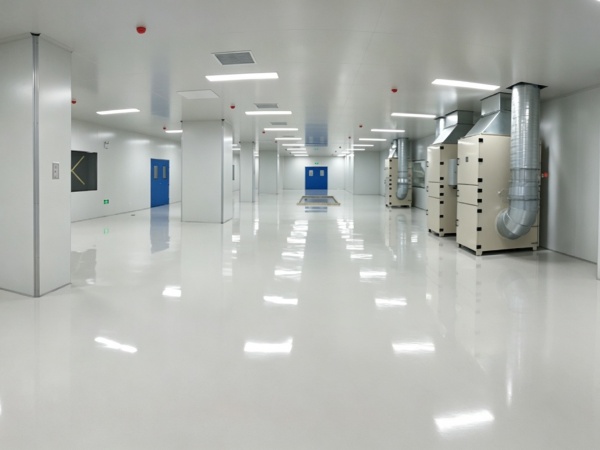

1. Epoxy self-leveling floating colored sand is applied by troweling on the base material. The finished surface has a high texture, is smooth and seamless, and is suitable for light-load sites. It is wear-resistant, impact-resistant, water-resistant, acid-resistant, alkali-resistant and resistant to chemical substances and oil stains, and is durable.
2. Self-leveling, smooth and seamless, easy to finish, high wear resistance and high chemical resistance.
Substrate treatment:
Use grinding tools to remove impurities from the base ground and roughen the surface of the concrete. Then, use an industrial vacuum cleaner to thoroughly clean the dust. The surface must be flat, firm and fully dried. The grease, soil and other substances on the surface must be thoroughly removed.
Primer coating:
After evenly mixing the SPR-11001C solvent-free epoxy resin primer in the prescribed proportion, apply it evenly on the base floor with a roller. After about 4 to 8 hours, the next process can be carried out. Check the application of the primer. If it is completely absorbed by the substrate, it can be reapplied.
Intermediate coating application:
After thoroughly mixing SPR11002P solvent-free epoxy resin intermediate paint with quartz sand, apply it with a trowel. After 8 to 12 hours at a temperature above 25°C, the coat application can be carried out.
Topcoat application:
After evenly mixing the SPR-41001CO epoxy self-leveling floating colored sand agent A and Agent B in accordance with the proportion, use a serrated trowel (which is helpful for defoaming) to evenly spread it on the coat, and use a defoaming roller to eliminate the air bubbles. Personnel can enter after 48 hours, and heavy machinery can enter after seven days. For anti-slip effect, SPR-12221C high wear-resistant polyurethane topcoat (transparent) can be applied on the surface.

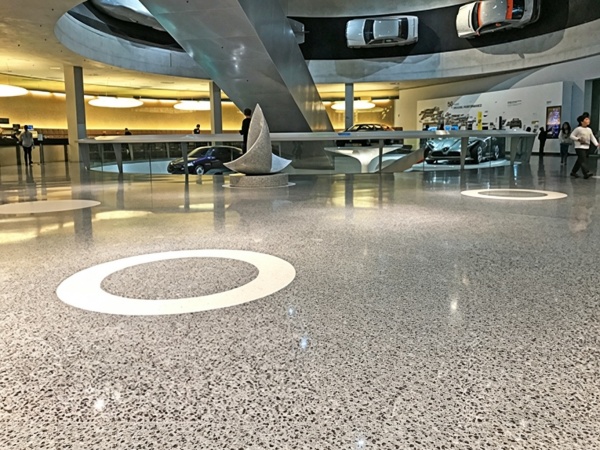
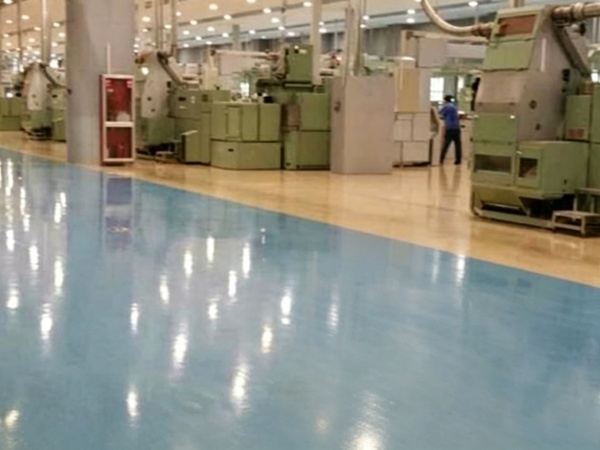
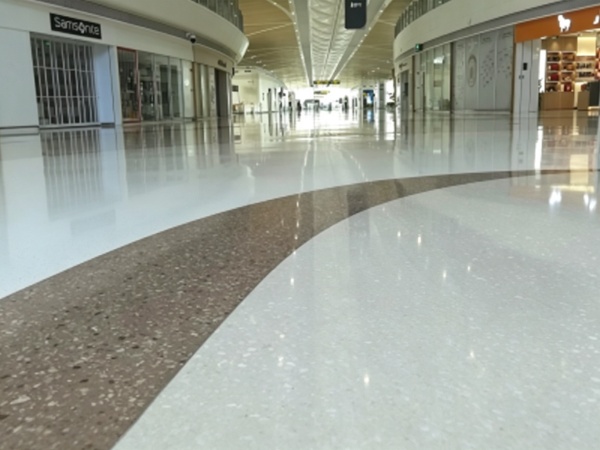
Urban facilities: airports, railway stations, exhibition halls, museums, science and technology museums, stadiums, etc. Commercial Spaces: shopping centers, commercial centers, hotels and clubs, coffee shops, etc. Public Spaces: schools, libraries, hospitals, office buildings, gyms, parking lots, etc. Industrial plants: high-end heavy industrial sites such as electronic communication, food and health care, tobacco industry, large supermarket logistics and warehousing, aircraft manufacturing plants, and train manufacturing plants.



 Tel:400-168-5168
 Web:www.sprpaint.com
 Headquarters Address:No. 8, Building 7, Science Road 10, Songshan Lake Industrial Zone, Dongguan City, Guangdong Province
 Douyin QR code
 Corporate culture
 Project Case